Which Dominica Whale Watching Tour Is Right for You?
| Tour | Duration | Group size | Best for | Rating | From | |
|---|---|---|---|---|---|---|
| Roseau: Guided Dolphin and Whale Watching Tour with Drinks | 2–3 hrs | Standard group | First-time visitors wanting the most reviewed experience | 4.4 | From $106 | Check → |
| PH Whale Watch & Dolphin Cruise — Small Group Max 8 | 2–3 hrs | Max 8 passengers | Photographers and serious wildlife observers | 4.6 | From $96 | Check → |
| Waitukubuli Dolphin and Whale Watch in Dominica | 2–3 hrs | Standard group | Budget-conscious visitors wanting a well-documented departure | — | From $99 | Check → |
Whale Species & Best Months in Dominica
| Species | January–March | April–June | July–September | October–December | Likelihood |
|---|---|---|---|---|---|
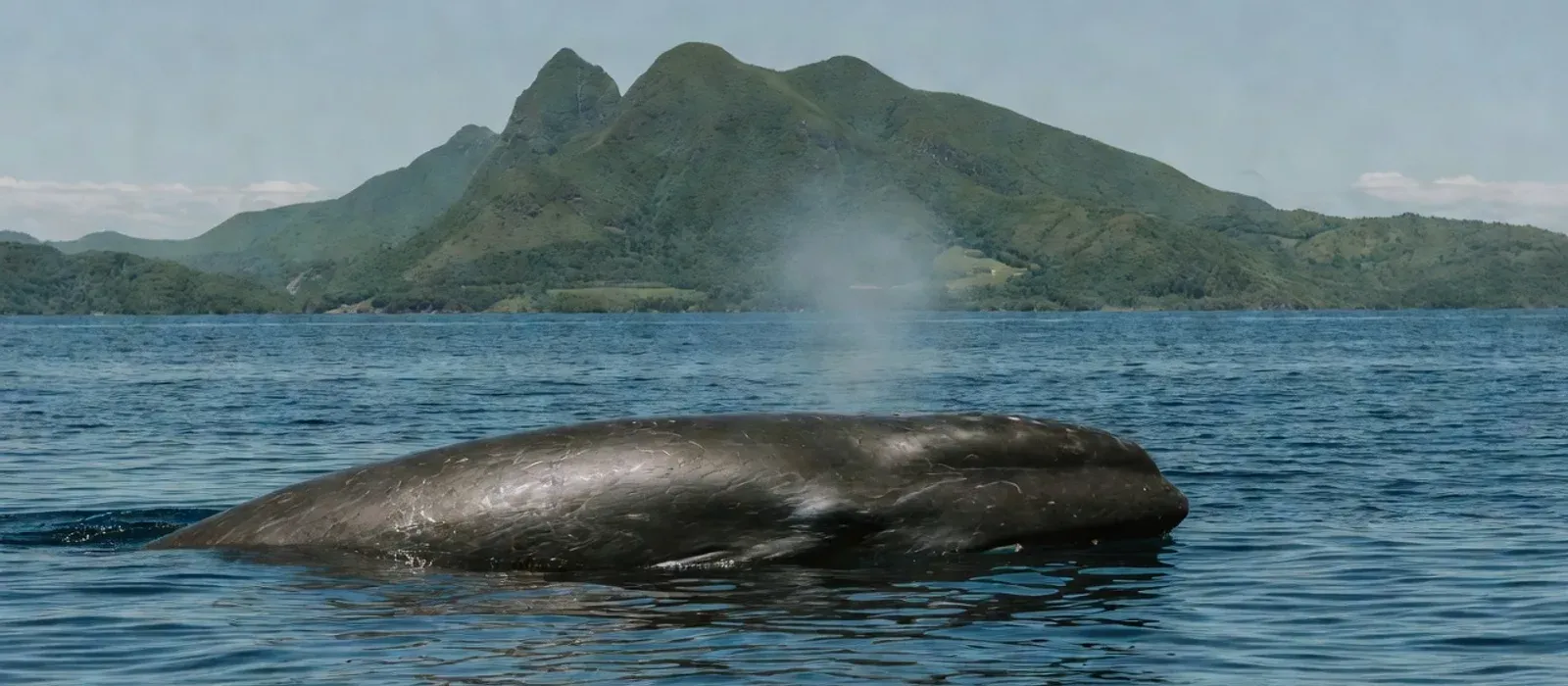
| Sperm Whale (resident) | Resident | Resident | Resident | Resident | Year-round |
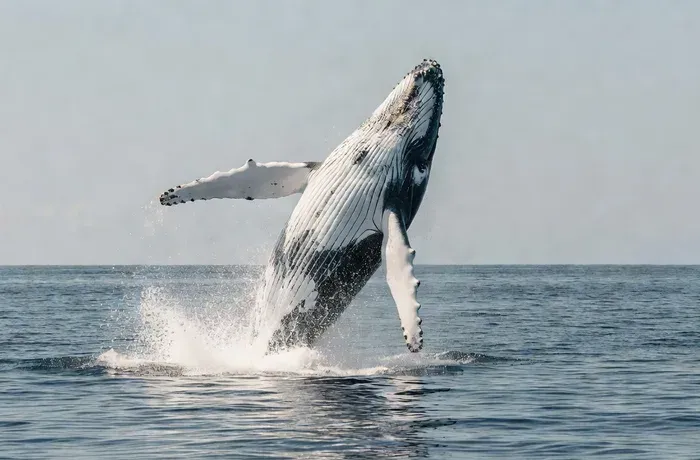
| Humpback Whale | Peak | — | — | Occasional | January–March |
| Short-Finned Pilot Whale | Common | Common | Common | Common | Year-round |
| Spinner Dolphin | Common | Common | Common | Common | Year-round |
| Bottlenose Dolphin | Common | Common | Common | Common | Year-round |
| Fraser's / Risso's Dolphin | Occasional | Occasional | Occasional | Occasional | Occasional |
What to Expect on the Day
Departure from Roseau harbour
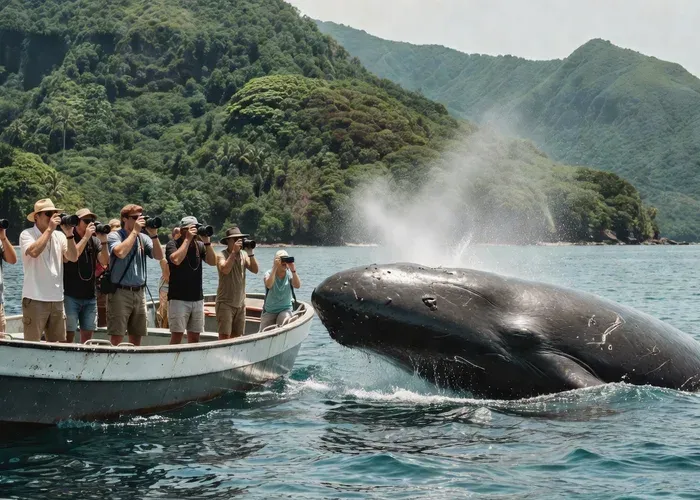
Tours depart from Roseau — the capital of Dominica on the island's western coast. Check-in is at the harbour. Boats are typically open RIBs (rigid inflatable boats) or small fibreglass vessels. The whale watching zone is the submarine canyon just 2 km west of shore — a 15–20 minute transit before you are in deep water above the canyon.
Locating sperm whales
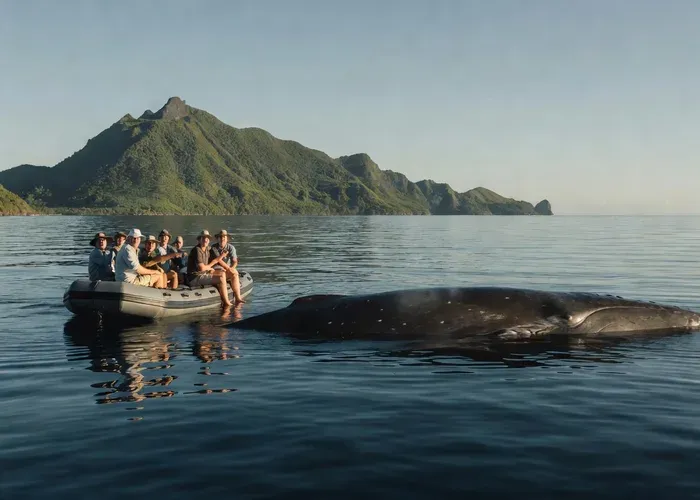
Guides use hydrophones (underwater microphones) to listen for sperm whale clicks — the echolocation sounds they produce while hunting at depth. Sperm whales can dive for up to 90 minutes, then surface for 10–15 minutes to breathe. Guides track the dive pattern to predict where the whale will next surface. When a whale surfaces, the boat moves slowly alongside for 10–15 minutes until the next dive. On most days, 1–3 individual sperm whales are encountered.
Dolphin and pilot whale encounters
Spinner dolphins are typically the first wildlife encountered — large pods often circle the boat, bow-ride, and perform aerial spins. Short-finned pilot whales are resident and frequently seen in family groups of 10–30 near the canyon edge. January–March adds humpback whales to the mix — these are individuals transiting the Eastern Caribbean rather than Dominica-specific residents, but encounters are common on canyon crossings.
Champagne Reef stop (selected tours)
Some tours include a snorkelling stop at Champagne Reef — an underwater volcanic vent off the village of Soufrière where bubbles emerge from the seabed like a natural champagne glass. The warm bubbling water and unusual coral formations make it one of Dominica's top snorkelling experiences. Check your specific tour inclusions at booking.
What to Bring — and What to Leave at Home
✓ Bring
- Light rain jacket or windproof layer — Caribbean showers are brief but boats are open
- Sunscreen SPF 50+ and a hat — tropical sun reflects off the water
- Waterproof bag or dry bag for phone and camera
- Swimwear — some tours offer snorkelling at Champagne Reef after whale watching
- Sea sickness medication if prone — the canyon waters can have ocean swell
✗ Leave at home
- Heavy clothing — Dominica is hot and humid year-round (27–32°C)
- Expensive camera equipment without waterproof protection
Where Tours Depart From
| Port / Area | Details |
|---|---|
| Roseau Harbour, Dominica | Bayfront, Roseau, Dominica. All whale watching tours depart from Roseau harbour on the western coast of the island. Roseau is the capital city with a range of hotels and guesthouses. Ferry connections from Martinique and Guadeloupe arrive at Roseau. Douglas-Charles Airport (DOM) is on the northeastern coast — approximately 1.5 hours from Roseau by road. |
How to Choose an Ethical Tour
What ethical operators do
- Use hydrophone-equipped operators who listen for clicks rather than chasing whales
- Never enter the water within 50 metres of a sperm whale
- Approach: engine off at 100 m, drift alongside — standard Dominica regulation
- Support operators who contribute data to the Dominica Sperm Whale Project research programme
Red flags to avoid
- Operators who repeatedly motor around a whale to keep passengers alongside
- Entering the water near whales — not permitted and dangerous near sperm whales
- Flash photography at close range — disruptive to echolocation