Which Azores Whale Watching Tour Is Right for You?
| Tour | Duration | Group size | Best for | Rating | From | |
|---|---|---|---|---|---|---|
| From Ponta Delgada: Whale and Dolphin Watching Trip | 3 hours | Shared group | São Miguel-based visitors, first-time Azores visitors | 4.6 | $81 | Check → |
| Terceira: Whale Watching + Swimming Dolphins + Ilhéus Cabras | Full day | Shared group | Visitors wanting the most complete Azores wildlife day | 4.7 | $254 | Check → |
| Watching Whales and Dolphins on Terceira Island | 3–4 hours | Shared group | Highest sighting probability at a reasonable price | 4.9 | $77 | Check → |
| Terceira Island: Whale & Dolphin Watching — Best Wildlife Tour | 3–4 hours | Shared group | Species diversity with naturalist identification | 4.2 | $82 | Check → |
| Azores Whale Watching Tour — Ponta Delgada | Half day | Shared group | First-time visitors wanting a proven São Miguel operator | 4.5 | $77 | Check → |
| Whale Watching + Vila Franca Islet: Full Day with Lunch | Full day | Shared group | Visitors wanting whale watching plus the most scenic São Miguel swimming spot | 4.4 | $147 | Check → |
| São Miguel, Azores: Whale and Dolphin Watching Tour | 3 hours | Small group | Budget-conscious travellers wanting the highest-rated experience | 5 | $69 | Check → |
| Whale and Dolphin Watching Tour on Pico Island | 3–4 hours | Shared group | Travellers visiting Pico or Faial — closest deep-water sperm whale habitat | 4.7 | $77 | Check → |
| Terceira Island: Whale Watching + Ilhéus das Cabras | 3–4 hours | Shared group | Best overall Terceira Island experience — whale watching plus snorkelling | 5 | $118 | Check → |
| Terceira Island: Private Whale & Dolphin Watching (up to 12) | 3–4 hours | Private (up to 12) | Families, small groups, or special occasions wanting an exclusive charter | 5 | $1,060/group | Check → |
Whale Species & Best Months in Azores
| Species | January–March | April–June | July–September | October–December | Likelihood |
|---|---|---|---|---|---|
| Sperm Whale | Resident | Resident | Resident | Resident | Very High year-round |
| Blue Whale | — | Migration | Occasional | — | April–June |
| Humpback Whale | Occasional | Migration | Occasional | Occasional | April–June peak |
| Fin Whale | Occasional | Migration | Occasional | Occasional | Spring migration |
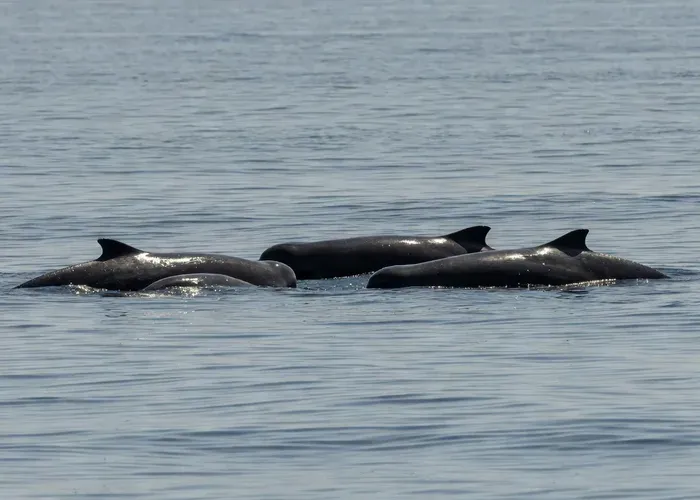
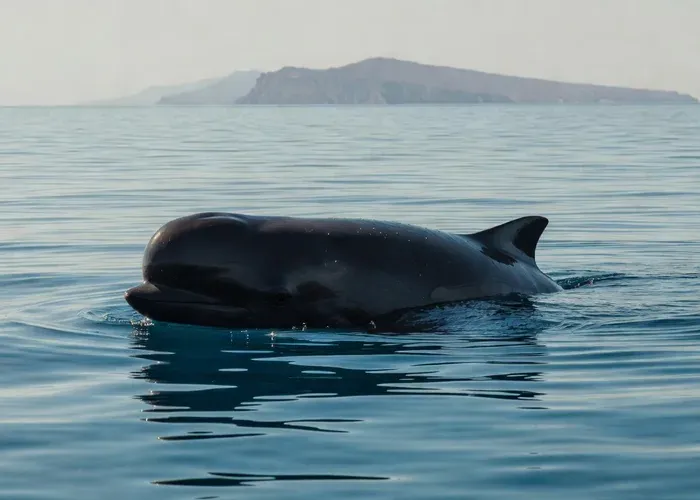
| Short-finned Pilot Whale | Common | Common | Common | Common | Year-round |
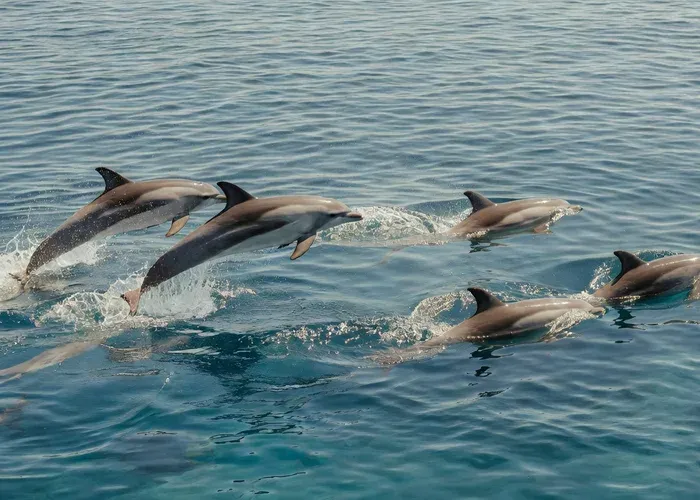
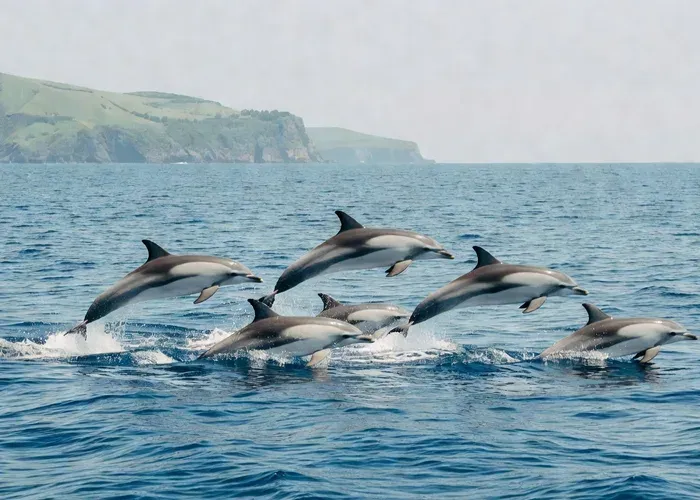
| Common Dolphin | Common | Common | Common | Common | Year-round |
| Risso's Dolphin | Occasional | Common | Common | Occasional | Spring–Summer |
What to Expect on the Day
Departure and vigia check-in
At the marina, the captain or naturalist briefs the group and makes contact with the vigia — the clifftop lookout teams scanning the ocean from high points around the island. Vigia teams use binoculars and radio to locate cetaceans before boats leave harbour. This means most Azores whale watching trips head directly to known cetacean locations rather than searching open water, dramatically reducing time to first sighting.
Sperm whale at the surface
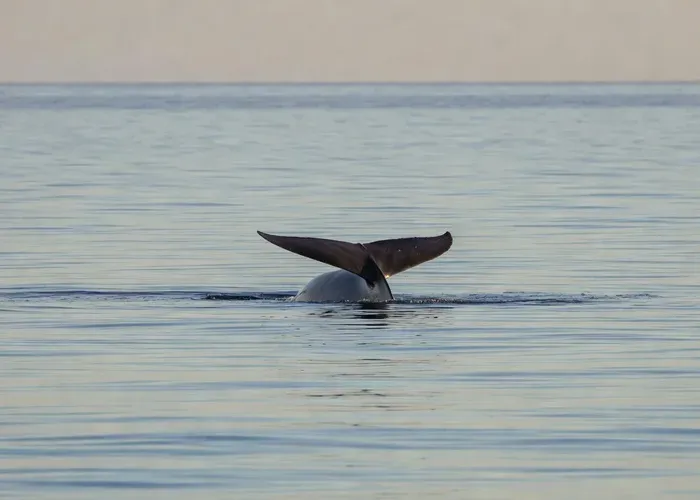
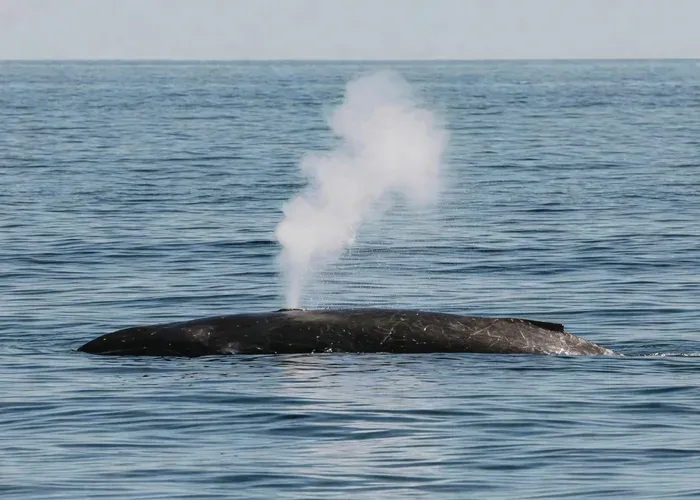
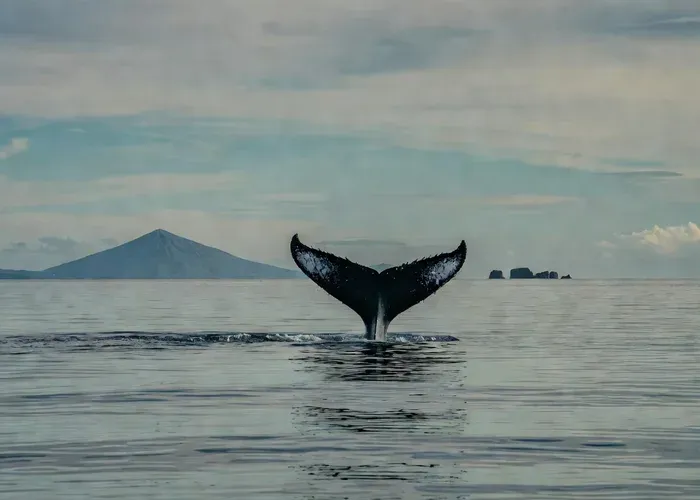
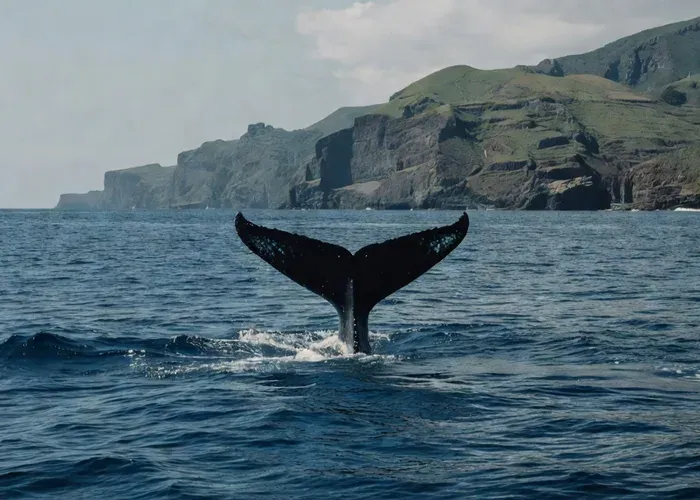
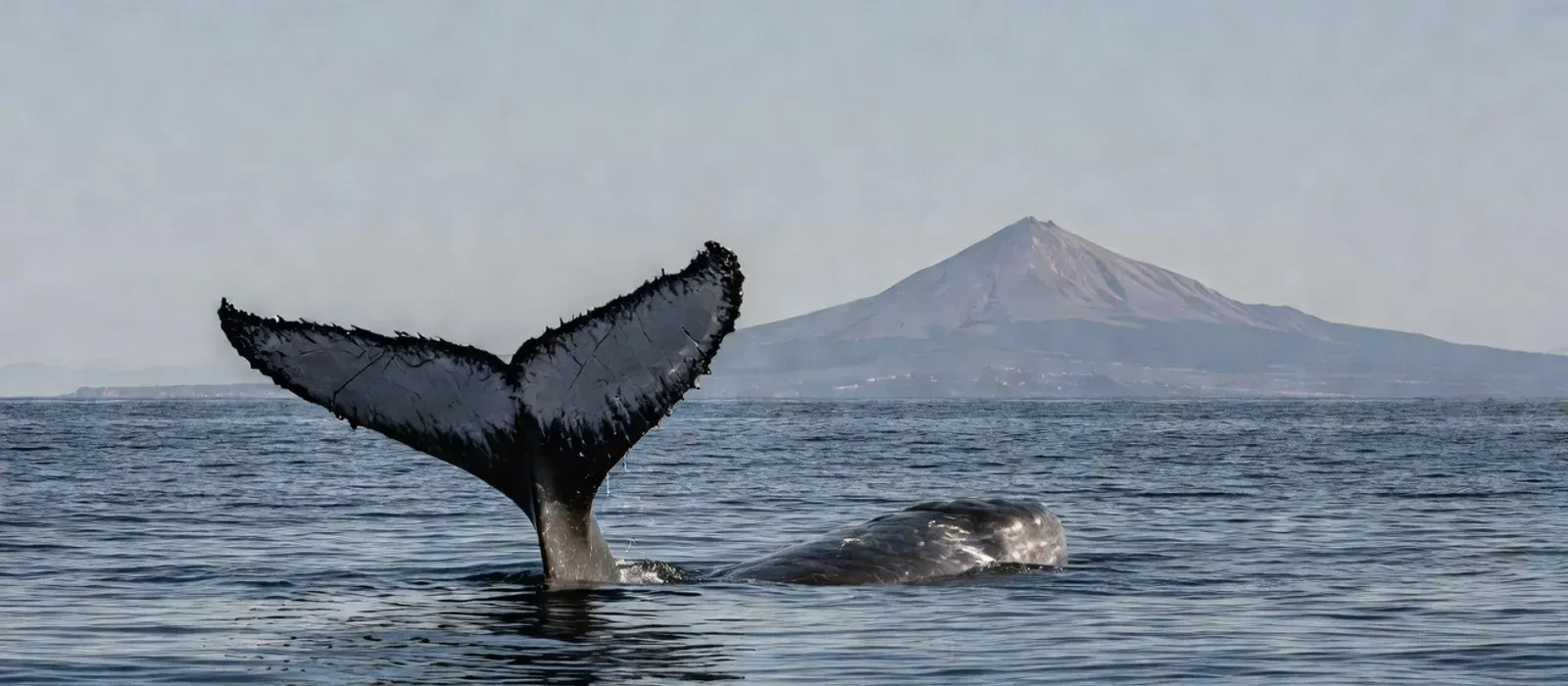
Sperm whales spend 8–15 minutes at the surface after a deep dive, recovering before the next descent. The boat approaches slowly and positions at a respectful distance (100 metres or more under Portuguese law). Sperm whales at the surface breathe slowly and regularly — each breath produces the distinctive forward-angled blow. When the whale arches its back to begin a dive, the enormous broad flukes rise clear of the water in a sequence that takes 20–30 seconds to complete.
Deep dive and surface interval
Sperm whales dive to 1,000 metres or more to hunt giant squid. A typical dive lasts 40–60 minutes. The naturalist on board will explain what is known about sperm whale behaviour, biology, and individual identification during the wait. Vigia coordination often means a second or third sperm whale surfaces while the first is still diving — so tours often encounter multiple individuals.
Dolphins and additional species
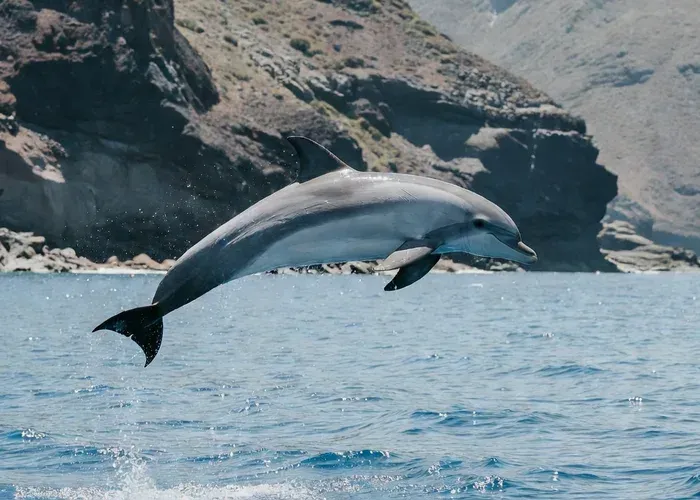
Common dolphins, bottlenose dolphins, and Risso's dolphins are regularly encountered. Common dolphins often approach boats and bow-ride for extended periods. In April, May, and June, blue whale sightings are possible — the largest animals on earth, whose blow can reach 9 metres. When the vigia report a blue whale, the boat may detour for one of the rarest sightings available to any whale watching passenger anywhere in the world.
Return to harbour
Most 3-hour Azores tours return to port with 2–4 cetacean species encountered. The naturalist typically gives a brief debrief on what was seen and the conservation context. Tours from São Miguel return to Marina de Ponta Delgada; tours from Terceira to Angra do Heroísmo harbour; tours from Pico to the ferry port at Madalena or Lajes do Pico.
What to Bring — and What to Leave at Home
✓ Bring
- Windproof and waterproof outer layer — Atlantic Ocean conditions vary quickly
- Sunscreen and sunglasses
- Camera with zoom lens for sperm whale dives
- Sea sickness medication if prone — mid-Atlantic swell can be present outside the bays
- Swimwear if taking the dolphin swim option on Terceira
✗ Leave at home
- Overpacking — boats have limited storage space
- Pets
Where Tours Depart From
| Port / Area | Details |
|---|---|
| Marina de Ponta Delgada, São Miguel | Avenida João Bosco Mota Amaral, 9500-772 Ponta Delgada. Main harbour on São Miguel Island — the largest and most visited island in the Azores. Served by international flights via João Paulo II Airport (PDL), 3 km east of Ponta Delgada. Tours t1, t5, t6, and t7 depart from here. Regular ferry service connects São Miguel to other islands. |
| Angra do Heroísmo, Terceira | Porto de Angra do Heroísmo, 9700 Angra do Heroísmo. Capital of Terceira Island and a UNESCO World Heritage city. Served by Lajes Air Base (TER) with connections to Lisbon. Tours t2, t3, t4, t9, and t10 depart from Terceira. Angra do Heroísmo's historic centre is walkable from the harbour. |
| Pico Island | Madalena or Lajes do Pico, Pico Island. The whale watching island — Pico's submarine topography drops steeply to the deep canyons where sperm whales feed. Tour t8 departs from Pico. Pico Island Airport (PIX) has direct connections from Lisbon and São Miguel. Ferry from Faial to Pico takes 30 minutes. |
How to Choose an Ethical Tour
What ethical operators do
- Maintain 100-metre minimum from sperm whales (Azorean regulation)
- Choose operators using vigia coordination — reduces ocean time and fuel
- Observe dolphin swim guidelines on Terceira tours — float passively without pursuing animals
- Choose operators registered with MATE (Azorean marine tourism authority)
Red flags to avoid
- Swimming within 100 metres of sperm whales
- Operators without vigia coordination who rely on random ocean searching
- Touching or feeding any cetacean